Tornadoes and Strong Winds: What They Do to a Roof and What to Do Next
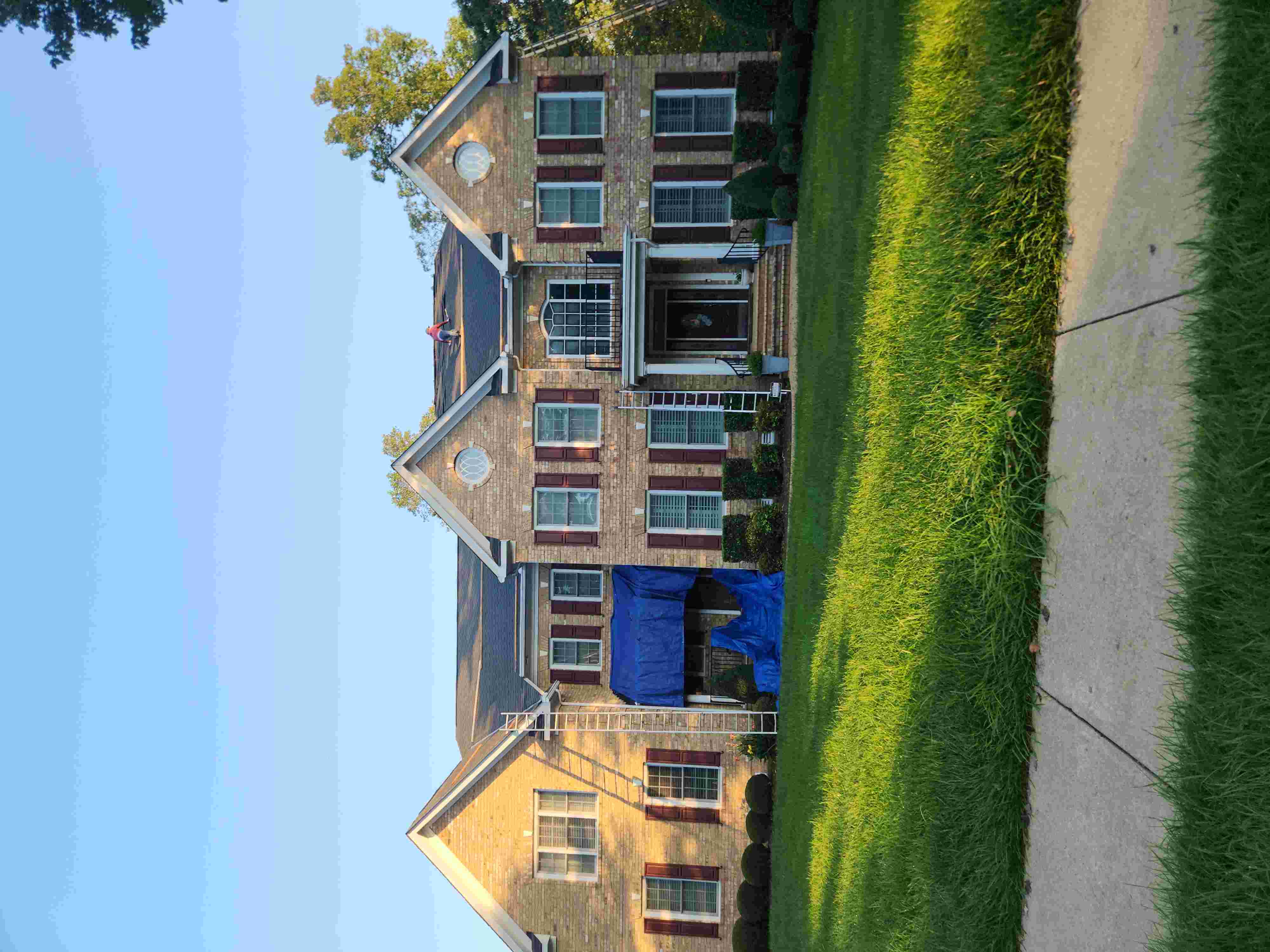
On Sunday, October 11, 2026, a tornado touched down in northeast Raleigh, in the Rolesville area of Wake County. According to the National Weather Service’s preliminary findings, it was an EF-1 with peak winds of about 107 mph. It touched down in the Stone Ridge neighborhood south of I-540, moved through Neuse Crossing, and lifted near Mitchell Mill Rd. The path was 2.51 miles long and up to 150 yards wide, and the storm lasted from about 1:12 to 1:17 PM. NWS reported tree and structural damage and no injuries. (NWS Raleigh statement, Oct 12, 2026)
Raleigh is outside our service area, but storms like this can hit the Triad too. On April 15, 2018, a tornado struck Greensboro in Guilford County. Whether you live in Winston-Salem, Greensboro, Kernersville, or High Point, it’s worth knowing what wind does to a roof and what to do the day after a storm.
How strong is an EF-1? The Enhanced Fujita scale in one table
Tornadoes are rated from EF0 to EF5 using estimated 3-second wind gusts. The rating is estimated from the damage left behind, not measured directly, which is why early ratings are called preliminary.
| Rating | Estimated 3-second gust |
|---|---|
| EF0 | 65–85 mph |
| EF1 | 86–110 mph |
| EF2 | 111–135 mph |
| EF3 | 136–165 mph |
| EF4 | 166–200 mph |
| EF5 | Over 200 mph |
Source: National Weather Service EF scale. Roofs can be damaged by winds well short of tornado strength, too, so a thunderstorm with strong straight-line winds is worth checking after as well.
How wind damages a roof
Wind doesn’t always rip a roof apart. A lot of wind damage is quiet:
- Lifted and unsealed shingles. Wind can lift the edges of shingles and break the seal strips that hold them down, even when the shingle doesn’t look like it moved. An unsealed shingle is easier for the next storm to take, and it can let water in.
- Missing, creased, or curled shingles. These show up most often at the edges, the ridge, and around chimneys and vents.
- Damaged flashing. The metal around chimneys, vents, and walls can bend or pull loose, which opens a path for water.
- Debris and falling trees. Limbs and trees can land on the roof, and heavy debris can puncture the decking underneath the shingles.
How to check your roof safely (from the ground)
Don’t climb on your roof. A storm-damaged roof can be slick, unstable, or weakened in places you can’t see. Stay on the ground and look with your eyes or a pair of binoculars:
- Walk around the whole house and look for shingles that are missing, creased, curled, or sticking up, especially along edges and the ridge.
- Look at the areas around the chimney, plumbing vents, and any flashing.
- Check the yard, driveway, and gutters for shingle pieces or loose granules.
- Look for limbs or branches lying on the roof.
- Inside, check the attic and ceilings for new stains or damp spots after the storm.
If you see anything on that list, take photos from the ground and call a professional. For a longer checklist, read our guide to checking your roof after a Triad storm.
What to do next: the North Carolina Department of Insurance steps
The NC Department of Insurance lays out what to do after a loss on its loss prevention and aftermath page. In plain words:
- Contact your agent or insurance company right away.
- Make reasonable emergency repairs to prevent more damage, such as putting a tarp over a damaged area, and keep your receipts.
- Take photos of the damage before and after emergency repairs, and make a list of damaged property.
- Don’t make extensive repairs before the adjuster inspects.
- Expect an estimate of loss. The adjuster prepares one and may ask you for a proof of loss.
- Watch the replacement-cost deadline. If your policy has replacement-cost coverage, you need to provide proof of replacement within 180 days of the date of loss to collect the full replacement cost.
Our insurance claims page walks through these steps from a roofer’s point of view. We only ever recommend filing a claim when there is real storm damage, and we can’t promise how an insurance company will decide.
Watch out for storm chasers
After a big storm, out-of-town crews and door-knockers often show up. Not all of them are bad, but it pays to slow down:
- Get a written estimate that spells out the work and the materials before you agree to anything.
- Don’t sign over your claim rights in a hurry. Read anything you’re asked to sign, and check with your insurance company or agent if you aren’t sure what it means.
- Check reviews and insurance. Look for real, recent reviews and ask the company for proof of insurance.
- Be wary of pressure. A good roofer will let you take a day to think.
Get your roof looked at
If a storm has passed through and you’re not sure what it did, a professional inspection is the safest way to find out, before you file a claim and before small damage turns into a leak. Our team has over 30 years of combined experience in the field, and we’ll tell you honestly what we find, including when there’s nothing to claim. Request a free roof inspection or call (336) 505-7977.
Frequently asked questions
Does homeowners insurance cover tornado damage to a roof?
Usually, yes: wind damage is typically a covered cause of loss on a homeowners policy. But policies differ, and your deductible may be higher for wind or storms. Read your policy and ask your agent or insurance company what applies to you.
How do I know if wind damaged my shingles?
From the ground, look for missing, creased, curled, or lifted shingles, shingle pieces or granules in the yard or gutters, damaged flashing, and new stains in the attic or on a ceiling. Wind can also break the seal strips under a shingle that looks fine, so a professional inspection is the only way to be sure.
Should I tarp my roof?
The NC Department of Insurance says to make reasonable emergency repairs, like a tarp, to prevent further damage, and to keep your receipts. Photograph the damage before and after. Because getting on a damaged roof is dangerous, have a professional put the tarp on rather than doing it yourself.
How long do I have to file a claim?
Check your policy, since filing deadlines vary, and contact your agent or insurer right away. The NC Department of Insurance also notes that with replacement-cost coverage, you need to provide proof of replacement within 180 days of the date of loss to collect the full replacement cost.
Can a roof be damaged by wind without any shingles blowing off?
Yes. Wind can lift shingle edges and break the seal strips without moving the shingle much. The damage may only show up later as a leak or as shingles that blow off in the next storm.
Sources
- National Weather Service Raleigh, Public Information Statement, Oct 12, 2026 (preliminary): mesonet.agron.iastate.edu
- National Weather Service, Enhanced Fujita Scale: weather.gov/oun/efscale
- NC Department of Insurance, Loss Prevention and Aftermath: ncdoi.gov
Serving Winston-Salem, Greensboro, Kernersville, and High Point NC. Questions after a storm? Call (336) 505-7977.
Need this on your own roof?
Blue Hat Roofing serves Winston-Salem, Greensboro, Kernersville, and High Point NC. Get a free inspection and an honest assessment.